The Ghost of Kent State: Minneapolis and the New War at Home
In the spring of 1970 at Kent State, the air was thick with tear gas and with a country cracking open over a war overseas. Today, in the snowy streets of South Minneapolis, the smell is rubber and gunpowder, and the war is no longer abroad; it is at our own front doors.
The fatal shooting of Renee Nicole Good, a 37‑year‑old poet and mother of three, on January 7, 2026, by a masked Immigration and Customs Enforcement agent has become, for many, our “Kent State moment.” Like the students at Kent State, she was unarmed; like the Ohio National Guard half a century ago, the federal officer who took her life has invoked “self‑defense” to justify firing three rounds into a civilian sitting in her car. The parallels are more than just tragic. For some of us who lived through the last half‑century of American “law and order,” they are prophetical
In 1970, President Richard Nixon and his defenders dismissed student protesters as “bums” and “outside agitators,” casting the Guard as beleaguered patriots under siege. Today, the current administration has pulled from the same script. Homeland Security Secretary Kristi Noem and President Donald Trump have branded Renee Good—a U.S. citizen and neighborhood legal observer of federal activity—a “domestic terrorist” who “weaponized” her SUV. But the images tell a different story. Bystander and surveillance videos from Minneapolis do not show a terrorist attack; they show a mother steering away from a masked agent as he fires three shots through her windshield and into her head in under a second. They show ICE agents refusing to allow a bystander physician to render aid, telling him they “don’t care” and to wait for first responders while Renee Good lay dying behind shattered glass.
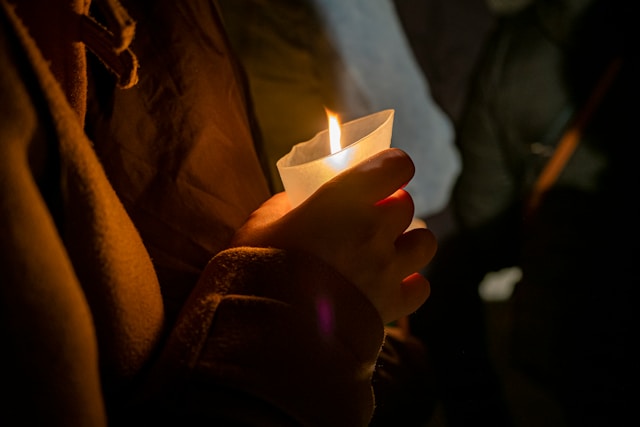
History remembers Kent State as the beginning of Nixon’s long slide toward Watergate; it was the moment a critical mass of the public decided the state had crossed a line by turning armed power on its own children. We are standing at a similar precipice. A Reuters/Ipsos survey last year found that 58% of Americans—about 70% of Democrats and half of Republicans—believe the president should deploy armed forces only in response to external threats, not into American cities as domestic law enforcers. The killing of Renee Good has not just sparked marches and candlelight vigils. It has ignited what organizers are calling a “no‑kings” movement and a wave of strikes and shutdowns that echo the campus walkouts and nationwide student strikes of May 1970.
In 1970, a Gallup poll found that a majority of Americans initially blamed the Kent State students for their own deaths; only decades later did the consensus harden that the shootings were “unwarranted, inexcusable, and unnecessary.” As we stand at the vigil for Renee Good—poet, neighbor, mother of three—we have to ask whether it will again take half a century for the country to admit what it already knows in its bones. We are living in a nation more polarized than it was in 1970, yet the stakes are grimly familiar. When the state begins to use the language of “domestic terrorism” to describe a woman with a car full of stuffed animals and a heart full of neighborhood care, the target is not just one family—it is the constitutional right to dissent.
Renee Good’s wife, Becca, put it simply after watching her partner’s final moments replayed on loop: “We had whistles. They had guns.” History is watching to see how a nation that claims to live under the rule of law will respond when “law and order” begins to look, once again, like the rule of force.
Founder and Host of Radio Free Flint Podcast
Arthur Busch is a veteran lawyer and educator with an acclaimed record of success in high-profile cases. He was a Prosecutor and community leader for decades.
Arthur Busch grew up in rust belt Flint, Michigan, just three blocks from the former General Motor's Fisher Body Plant #1. The auto factory was the site of the historic sitdown strike that gave birth to the United Automobile Workers Union.
Mr. Busch holds a BA in Urban Public Policy, and a Masters's Degree in Labor and Industrial Relations from Michigan State University as well as a Juris Doctorate from Thomas Cooley Law School in Lansing, Michigan. He attended Flint Public Schools.

Snowbirds, Split Lives, and the Meaning of Michigan My Home


