From Flint Factories to Freedom: Redefining 'Home' and Identity


Welcome back to the blog, everyone! In our latest episode, titled "Leaving Flint to See America on a Schwinn Bicycle," we delved into a truly transformative journey. It was a narrative of youthful rebellion against the backdrop of a blue-collar hometown, a quest for something more, and a profound redefinition of what "home" and "identity" truly mean. This blog post expands on those themes, exploring how the stark realities of Flint's industrial landscape shaped the narrator's departure and how the subsequent odyssey, filled with unexpected challenges and revelations, ultimately forged a new sense of self. We'll trace the path from the familiar confines of factory life to the wide-open spaces of the American West, examining the lessons learned and the lasting impact of stepping outside of one's comfort zone.
Flint's Industrial Shadow: A Starting Point
Flint, Michigan. For many, the name conjures images of assembly lines, the hum of machinery, and a working-class ethos deeply embedded in its DNA. It was the heart of American automotive manufacturing, a city built on the grit and determination of those who powered its engines. For a young person growing up in the shadow of these massive factories in the late 1960s and early 1970s, the future often felt predetermined. The path was laid out: follow in the footsteps of fathers and grandfathers, clock in, work hard, and find a semblance of stability within the industrial ecosystem. But within this seemingly immutable landscape, seeds of discontent and a yearning for something different were beginning to sprout. The pervasive scent of oil and exhaust, the rhythmic clang of metal, the predictable cycle of shifts – these were the sensory markers of a childhood and adolescence spent in Flint. It was a life of tangible output, of physical labor, of a shared understanding of the world through the lens of production. Yet, for some, this very tangibility began to feel like a cage. The relentless nature of factory work, while providing a livelihood, could also feel soul-crushing, a constant reminder of a life lived within predefined boundaries. The allure of the unknown, the whisper of worlds beyond the smokestacks, grew louder for those who felt the pull of a different destiny. It was a feeling that was hard to articulate, a discomfort with the perceived limitations of a life steeped in industrial heritage. This discontent wasn't necessarily a rejection of Flint's values, but rather a blossoming desire to understand those values from a distance, to see if the world beyond offered different perspectives, different definitions of success, and different interpretations of what it meant to be free. The industrial landscape, in its very solidity and permanence, ironically served as the catalyst for a desire for escape, a yearning to break free from the gravitational pull of the familiar.
The 1970 Schwinn Odyssey: Escape and Discovery

And then came the Schwinn. Not just any bicycle, but a symbol of freedom, a vessel of escape, and the improbable chariot that would carry a young soul from the familiar confines of Flint to the vast, untamed expanse of the American West. The decision to embark on a cross-country bicycle journey in 1970 was, in hindsight, a radical act of self-determination. At a time when most teenagers were navigating the more conventional pathways of adolescence, this journey represented a bold leap into the unknown, a deliberate stepping away from the expected trajectory. The 2,000-mile odyssey was more than just a physical trip; it was an internal expedition, a profound exploration of self and the world. The choice of a Schwinn bicycle, a sturdy and reliable machine, speaks volumes. It was a nod to the era's industrial spirit, but in a way that subverted its inherent purpose. Instead of being a tool for production within a factory, it became a tool for exploration and personal discovery. This journey was born out of a deep-seated need to see what lay beyond the horizon, to understand the lives of people who didn't punch clocks or live by the rhythm of the assembly line. It was an ambitious undertaking, fueled by a potent cocktail of youthful idealism, a touch of naivete, and an undeniable hunger for experience. The sheer audacity of the plan, undertaken solo and at a young age, highlights the powerful urge to challenge the status quo and to forge a unique path. The world outside of Flint, with its sprawling landscapes and diverse populations, promised a wealth of knowledge and a broadening of perspective that the familiar industrial setting could no longer provide. The Schwinn wasn't just a mode of transport; it was a declaration of independence.
Mojave Sunrises and Survival Tactics
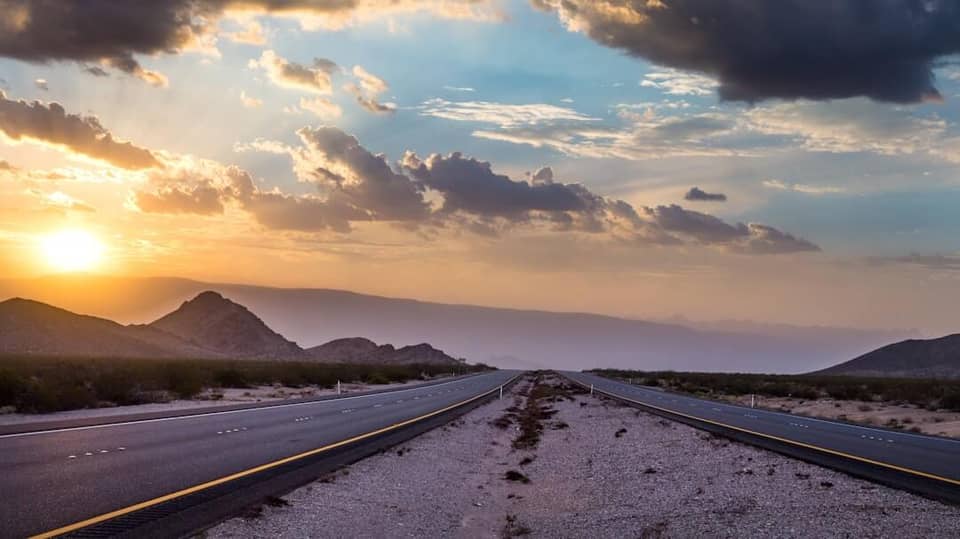
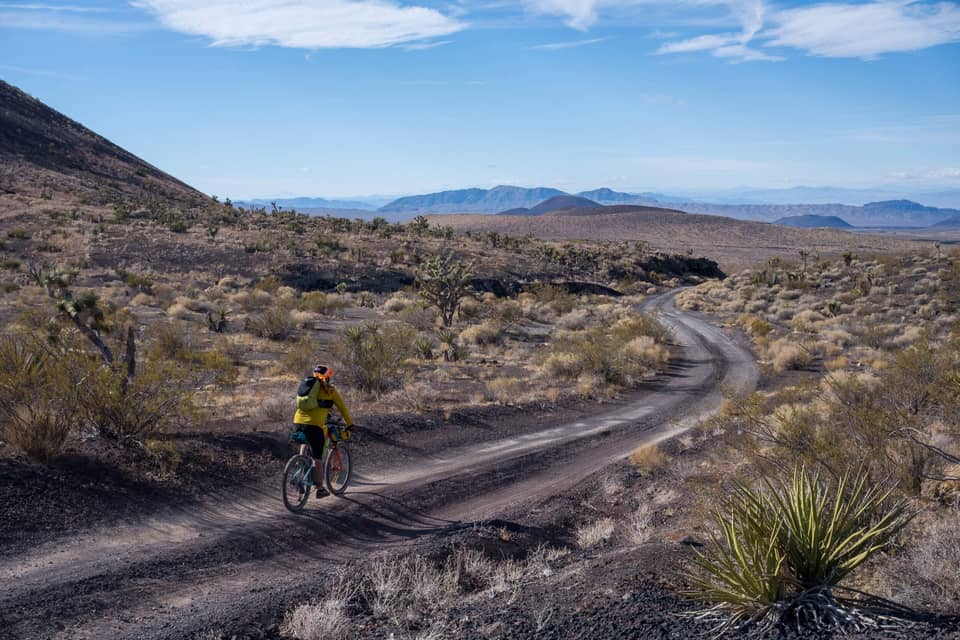
The vastness of the American West presented a stark contrast to the structured environment of Flint. The endless plains, the towering mountains, and the scorching deserts demanded a new set of skills, a different kind of resilience. The Mojave Desert, in particular, became a crucible for survival. The early morning rides, initiated to beat the oppressive heat, were a baptism by fire. Imagine the scene: pedaling in the pre-dawn darkness, the air still cool but promising the relentless heat to come, the silence broken only by the whirring of the Schwinn's chain and the crunch of gravel beneath the tires. These were not idyllic scenic rides; they were calculated maneuvers against the elements, a constant battle against dehydration and exhaustion. The sunrises in the Mojave were not the gentle awakenings of a temperate climate. They were explosive, fiery spectacles that announced the arrival of a powerful, unforgiving force. The narrator learned to respect the sun, to understand its power, and to adapt his entire existence around its daily arc. This meant rising before it, finding shelter during its peak intensity, and enduring the chilling nights that followed the searing days. It was a primal education, stripping away the comforts of civilization and forcing a reliance on instinct and ingenuity. This experience was far removed from anything the industrial landscape of Flint could have prepared him for. There were no break rooms, no scheduled lunch hours, no familiar faces to offer a word of encouragement. It was just the individual, the bicycle, and the overwhelming power of nature. The desert taught a brutal but essential lesson: survival in its rawest form.
The 'Poor Man's Air Conditioner': Innovations on the Road
Amidst the harsh realities of cross-country travel, ingenuity often became the most valuable currency. When the mercury climbed, and the sweat beaded on the brow, creative solutions were not just desirable; they were essential for survival. One such innovation, vividly recalled from the journey, was the "poor man's air conditioner." This simple yet ingenious contraption, likely born out of necessity and resourcefulness, represented a small victory against the overwhelming heat. It was a testament to the human capacity to adapt and to find comfort in the most unlikely circumstances. Picture this: a rider, miles from anywhere, the sun beating down relentlessly. The need for relief is palpable. Perhaps it involved a damp bandana strategically placed, a makeshift shield from the sun fashioned from available materials, or even the clever use of a water bottle to create a cooling mist. The specifics, while perhaps lost to time, are less important than the principle. This "poor man's air conditioner" wasn't about advanced technology; it was about understanding the principles of evaporation and insulation, and applying them with whatever was at hand. It was a practical application of learned knowledge, a spark of brilliance that made the arduous journey just a little more bearable. These on-the-fly innovations were more than just practical solutions; they were micro-triumphs, moments where the traveler actively shaped his environment and demonstrated a growing mastery over the challenges he faced. They were the seeds of a problem-solving mindset that would serve him well far beyond the confines of the road.
Postcards and Portals: California Realities vs. Expectations
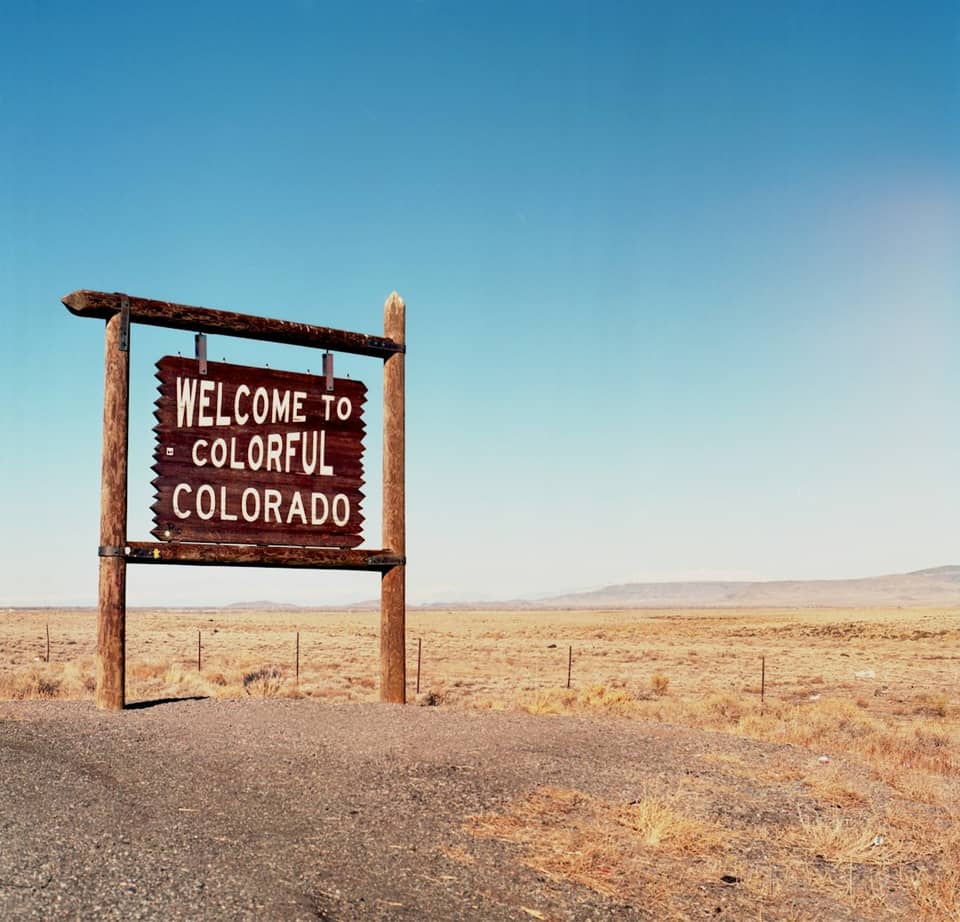
The allure of California, a land painted in the vibrant hues of postcards and Hollywood dreams, beckoned with the promise of a different life. It was the endpoint, the shimmering mirage at the end of a long and arduous journey. The images conjured were of sun-drenched beaches, palm trees swaying in a gentle breeze, and a laid-back, carefree existence. The reality, however, proved to be a far more complex and nuanced affair, particularly for a sixteen-year-old navigating the bustling streets of Los Angeles alone. The postcards and the imagined realities presented a curated version of the Golden State, a fantasy crafted for consumption. The actual experience of arriving in a major metropolitan area on a bicycle, after thousands of miles on the road, was a jarring immersion into a world far removed from the idyllic portrayals. The sheer scale of the city, the anonymity, the underlying currents of urban life – these were aspects that the glossy brochures and romanticized narratives had failed to capture. It was a moment of profound realization: the world was not always what it seemed, and expectations, when unmoored from reality, could lead to disappointment. This encounter with the discrepancy between perception and reality was a crucial lesson in critical thinking and in understanding the multifaceted nature of any place, any experience. It was a coming-of-age moment, where the idealized vision of a destination was replaced by the grounded understanding of its lived experience. The journey to California was not just about reaching a physical location; it was about shedding illusions and embracing a more authentic understanding of the world.
Beyond the Factory Gates: Redefining Home
The journey, in its entirety, served as an extended and profound exercise in redefining the concept of "home." For so long, home was inextricably linked to Flint, to the familiar streets, the faces of family and neighbors, and the omnipresent industrial landscape. But as the miles accumulated, and the experiences broadened, that definition began to stretch and evolve. Home was no longer solely a physical location; it became a state of being, an internal compass rather than a fixed point on a map. Stepping away from the industrial shadow of Flint allowed for a critical re-examination of the place and its influence. It wasn't about abandoning roots, but about understanding them from a distance, appreciating their significance while recognizing that they didn't have to be the sole determinant of one's identity or future. The experiences on the road – the challenges overcome, the people met, the landscapes traversed – began to weave a new tapestry of belonging. Home became the comfort of the sleeping bag under the stars, the camaraderie forged with fellow travelers, and the growing self-reliance that bloomed with each pedal stroke. It was the realization that a sense of belonging could be cultivated, not just inherited. The journey demonstrated that the search for home could be an active process, a conscious creation rather than a passive reception. It was about finding pieces of "home" in unexpected places and realizing that a true sense of belonging could be carried within.

Identity Forged in Freedom: The Lasting Impact of the Journey
The lasting impact of this cross-country odyssey cannot be overstated. It was more than just a youthful adventure; it was a foundational experience that profoundly shaped the narrator's identity. The lessons learned on the road – resilience in the face of adversity, the power of self-reliance, the importance of critical observation, and the ability to adapt to changing circumstances – became indelible parts of his character. The journey from Flint to the West Coast was a powerful testament to the idea that true freedom is not just about physical escape, but about the liberation of the mind and the courage to forge one's own path. The experience of leaving the familiar, the predictable, and the seemingly predetermined, and venturing into the vast unknown, instilled a deep confidence and a sense of agency. It proved that the confines of one's upbringing, however influential, did not have to dictate the entirety of one's life. The Schwinn bicycle, a simple machine, became a symbol of empowerment, a vehicle for self-discovery that carried not just a person, but a burgeoning sense of self. The memories of Mojave sunrises and the ingenuity of the "poor man's air conditioner" were more than just anecdotes; they were markers of growth, of the development of a problem-solving spirit and an unwavering determination. This journey, born out of a desire to escape the industrial shadow, ultimately led to the discovery of an inner landscape as vast and as full of potential as the country itself. The freedom found on two wheels in 1970 was not just a fleeting moment; it was the catalyst for a lifelong exploration of identity, a constant reminder that the most profound discoveries often lie just beyond the horizon. Thank you for joining me as we expanded on the incredible journey we discussed in our latest episode, "Leaving Flint to See America on a Schwinn Bicycle." We explored how the industrial heart of Flint served as both a starting point and a backdrop against which the narrator’s transformative odyssey unfolded. We delved into the ingenuity born of necessity on the open road, the stark contrasts between expectation and reality, and ultimately, how stepping away from the familiar can lead to a profound redefinition of "home" and a powerfully forged sense of identity. The lessons learned on that 2,000-mile journey continue to resonate, reminding us all that the courage to explore the unknown can lead to the most profound discoveries about ourselves and the world around us. Until next time, keep exploring.

Founder and Host of Radio Free Flint Podcast
Arthur Busch is a veteran lawyer and educator with an acclaimed record of success in high-profile cases. He was a Prosecutor and community leader for decades.
Arthur Busch grew up in rust belt Flint, Michigan, just three blocks from the former General Motor's Fisher Body Plant #1. The auto factory was the site of the historic sitdown strike that gave birth to the United Automobile Workers Union.
Mr. Busch holds a BA in Urban Public Policy, and a Masters's Degree in Labor and Industrial Relations from Michigan State University as well as a Juris Doctorate from Thomas Cooley Law School in Lansing, Michigan. He attended Flint Public Schools.

Snowbirds, Split Lives, and the Meaning of Michigan My Home